
Hay fever is an allergic reaction of the body to different pollens. These act as allergens (foreign substances that trigger an allergy) and cause an immune response. The tendency to develop such a reaction is probably innate. In predisposed people, the first contact with an allergen leads to the production of natural defence substances called antibodies.
From this point onwards, the body recognises these harmless substances as dangerous. It is “ sensitised ” and continues to produce increasing amounts of antibodies over the following years. One day, the patient notices for the first time that they are ill. The first allergic reaction occurs. In the event of contact with the allergen, for example flower pollen, the body reacts as if it had to fight pathogens.
Upon contact, the antibodies and the allergen bind together and prompt certain cells in the body to release messenger substances that transmit the allergic reaction throughout the body. Histamine is one example of a messenger substance. Histamine is a highly biologically active substance found throughout our body. Anyone who has ever touched a nettle has certainly already experienced the effects of histamine.
Histamine dilates the small blood vessels. This results in redness. Fluid escapes from the blood vessels into the tissues, causing swelling. In addition, the activity of the glands is stimulated.
When this inflammatory reaction occurs in the nose, the typical symptoms of hay fever appear :
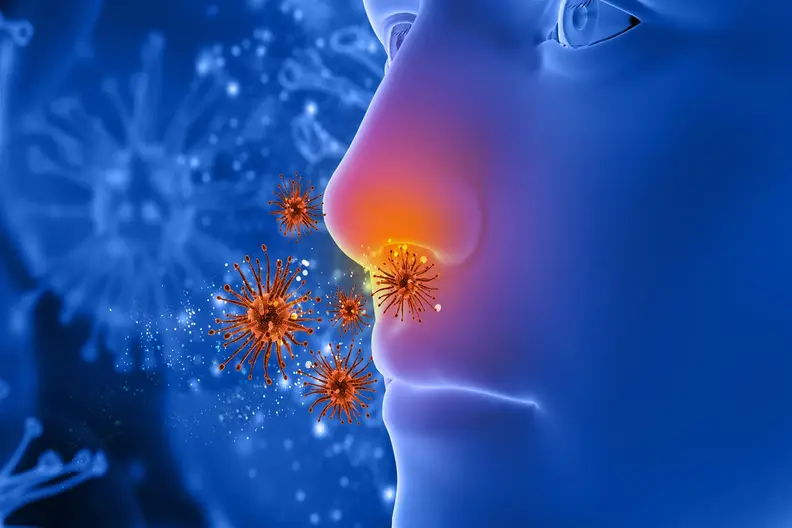
- Runny nose with a very large amount of watery discharge
- Blocked nose due to swelling of the mucous membrane
- Severe and frequent bouts of sneezing
- Itching
Sometimes, the eyes are also affected :
- Redness
- Itching
- Burning sensation
- Sensitivity to light
- Watery eyes
Many other symptoms may also occur and vary considerably from one patient to another, such as itching in the ears and mouth, headaches, tiredness, fatigue or irritability.
In all cases, this condition has a significant impact on the person affected. When it is particularly severe, they have difficulty organising their daily life, carrying out their job or enjoying their leisure activities.